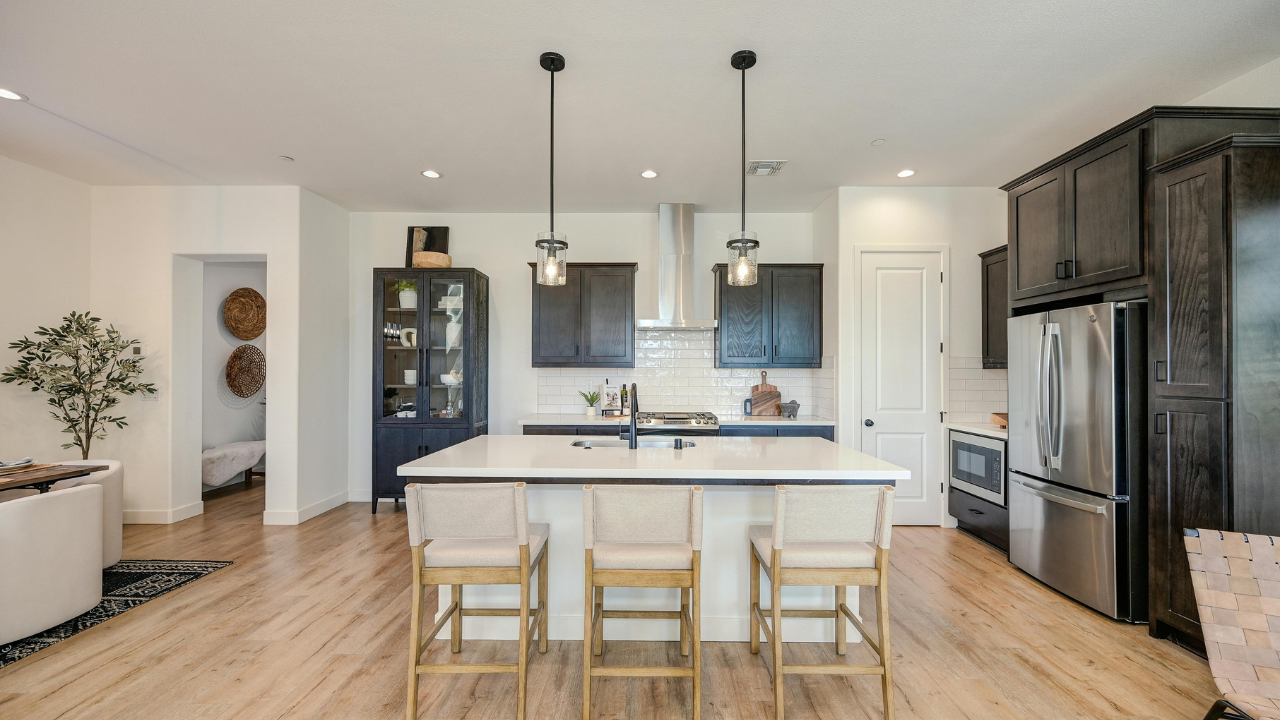
A kitchen remodel can easily become expensive, overwhelming, and full of decisions that look good on paper but do not make daily life any easier. If you are planning a kitchen remodel and want a space that feels better, functions better, and stays easier to manage, the smartest place to start is with how your kitchen actually works now.
The Real Problem With Most Kitchen Remodels
A lot of kitchen remodel mistakes start before a single cabinet is ordered.
People think they are remodeling a “dated kitchen,” when what they really have is a workflow problem. The drawers are in the wrong place. The counter space is broken up badly. The island looks impressive, but it blocks movement. The pantry is too far from where the food gets unpacked. The finishes get all the attention, but the frustration stays.
That is why so many remodeled kitchens still feel annoying to use.
The kitchen is not just a room you look at. It is a room you work in. If the layout does not support the way you cook, clean, unload groceries, make coffee, pack lunches, or host people, then even a beautiful remodel can still feel off.
And here is the part many homeowners do not realize until too late: a kitchen that functions well usually looks better too, because it is easier to keep clear, calm, and intentional.

Stop Designing for the Dream Version of Yourself
One of the biggest kitchen remodel mistakes is designing for a fantasy routine instead of your real one.
If you rarely bake, you probably do not need an elaborate baking station with specialty storage taking up prime real estate. If you use the coffee maker every single morning, that zone should not feel like an afterthought. If takeout containers, lunch supplies, kids’ snacks, and paper towels dominate your kitchen now, your remodel needs to account for that honestly.
A strong kitchen remodel starts with a simple question: what causes friction every day?
For example, if your counter has a toaster, blender, coffee maker, and a utensil crock all fighting for space near one outlet, that is not just a clutter issue. It usually means the kitchen lacks dedicated zones, smart storage, or enough power where you actually use it.
Another common scenario: you unload groceries and end up walking across the whole kitchen to put away pantry items, then back again to store refrigerated food. That seems small until you do it every week for years. A better layout puts the pantry, fridge, and landing space in a tighter working relationship.
The point is not to make your kitchen look like a showroom. The point is to make your kitchen easier to live in.
Bigger Is Not Always Better
This is the counterintuitive part: adding more cabinets, a bigger island, or more storage does not automatically make a kitchen better.
Sometimes it makes it worse.
A kitchen can have plenty of storage and still function badly because the storage is in the wrong places. Deep cabinets without pull-outs become black holes. Oversized islands can interrupt traffic flow. Extra upper cabinets can make a room feel heavy while still failing to store the things you use most often.
A strong opinion here: not every kitchen needs a huge island. In some kitchens, the island has become the default answer when it should not be there at all.
If the island forces people to turn sideways, blocks appliance doors, or creates awkward clearance around the dishwasher, it is not helping. A smaller island, a better peninsula, or even more open floor space may serve the room better.
The same goes for open shelving. It can be beautiful in the right dose, but most homeowners do not need less concealed storage in the hardest-working room in the house. Open shelves are best for a few everyday pieces or decorative items you truly use. They are not a replacement for practical cabinetry.

Fix the Layout Before You Pick Finishes
Cabinet color gets a lot of attention. So do backsplash tile, hardware, pendants, and countertops.
Those things matter, but they should come later.
The smartest kitchen remodels solve movement first. You want to think in zones: prep, cooking, cleanup, storage, coffee, and serving. When those areas are arranged well, the kitchen starts making sense.
Let’s say your stove is far from your prep space and there is nowhere nearby for oils, utensils, or spices. You can upgrade every finish in the room and still feel irritated while cooking. But if your remodel includes a drawer near the range for cooking tools, a pull-out beside it for oils and spices, and clear landing space on at least one side, the room instantly works better.
Or take cleanup. If the dishwasher is too far from the dish storage area, unloading becomes a repeated nuisance. A better plan might place everyday plates, bowls, and cups in drawers or cabinets right next to the dishwasher. That one change improves the kitchen every single day.
This is where small inserts and organizers also matter naturally. Drawer dividers, pull-out trash systems, pantry bins, tiered risers, and under-sink caddies are not glamorous, but they are often the reason a remodeled kitchen stays functional after the excitement wears off.
Do Not Ignore Counter Space Distribution
Most people focus on how much counter space they have. What matters just as much is where that counter space sits.
You can have a large kitchen and still have a terrible usable workspace if the counters are broken up into awkward little sections.
A good remodel gives you at least one truly useful prep zone. That means enough uninterrupted space near the sink, trash, and fridge to wash, chop, mix, and set things down without constant shuffling.
Real-life example: if your kitchen has a beautiful corner section full of decor and a tiny crowded area beside the sink where all actual prep happens, the issue is not square footage. It is counter placement.
Another example: if your microwave, knife block, paper towel holder, and stand mixer all live on the same stretch of counter you need for meal prep, you do not necessarily need a larger kitchen. You may need an appliance garage, better drawer storage, or permission to stop storing bulky things in your prime workspace.
This is where many homeowners overdecorate. The best working kitchens do not need every counter styled. In fact, one of the easiest ways to make a kitchen feel more elevated is to leave more surface area empty.
That may sound backwards, but it is true. Space itself is part of the design.
Plan for the Mess You Actually Live With
A kitchen remodel should not assume perfect habits.
It should support normal life.
That means planning for mail, backpacks, charging cords, water bottles, snacks, school papers, reusable bags, pet supplies, and the random daily overflow that tends to land in the kitchen, whether you want it there or not.
If your household always drops everything on the nearest counter, pretending that it will stop after the remodel is not a strategy. Give that clutter a landing zone on purpose. Maybe it is a shallow drawer by the entry, a concealed charging drawer, a basket system inside a lower cabinet, or a small tray near the edge of the kitchen that contains the mess instead of letting it spread.
This is where the right details quietly change everything. A divided drawer insert for snack bars and lunch items helps kids stop tearing through the pantry. A lazy Susan in a corner cabinet stops oils and vinegar from getting lost. Clear pantry containers can make dry goods easier to see and stack, but only where they solve a real issue. They should not turn into a decorative project that adds more maintenance than value.
The goal is not perfection. It is control.
Choose Materials That Can Handle Real Life
A beautiful kitchen that constantly shows smudges, stains, scratches, or crumbs will start feeling high-maintenance fast.
That is why material choices should be based on lifestyle, not just inspiration photos.
If you cook often, wipe surfaces multiple times a day, or have a busy household, durability matters. Cabinet finishes that are easy to clean, hardware that feels solid, flooring that hides everyday dust, and countertops that do not make you nervous every time someone sets something down will usually age better than trendier choices that demand constant upkeep.
This does not mean your kitchen has to look plain. It means every pretty choice should still earn its place.
For example, a handcrafted zellige backsplash may be gorgeous, but if you want a crisp, low-fuss kitchen, it may not suit your preference for uniformity. A matte tile with simple grout lines might be easier to live with. A waterfall island can look dramatic, but if the budget is tight and your pantry is still dysfunctional, the pantry should win.
That is another opinion worth being clear about: spend on what improves function first. Pretty details should come after the layout, storage, lighting, and workflow are handled.
A Simple Kitchen Remodel Reset You Can Do Before Making Any Decisions
Before you choose cabinets, finishes, or even a final layout, do this first:
1. Clear your counters completely
Take everything off except the major appliances you truly use often.
2. Watch your kitchen for one week
Notice where groceries land, where clutter piles up, where you prep food, and what areas always feel crowded.
3. Write down your daily friction points
Be specific. “No space by the coffee maker.” “Dishwasher blocks the trash pull-out.” “Kids’ snacks take over the island.” “Mixer too heavy to lift.”
4. Group problems into zones
Create notes for prep, cooking, cleanup, pantry, coffee, and drop zone clutter.
5. Decide what needs to live on the counter
Be strict here. Everyday coffee setup? Probably yes. Decorative canisters you never use? Probably no.
6. Identify what needs better storage, not more storage
Maybe you need pull-out shelves, deeper drawers, vertical tray dividers, or a built-in trash system.
7. Build the remodel around the way you already live
Not the way a magazine kitchen looks. Not the way you think you should live. The way your household actually moves.
This process sounds simple, but it will tell you more than scrolling through photos for three hours ever will.
Final Thought
The best kitchen remodel is not the one with the most upgrades. It is the one that quietly removes frustration from your day and makes your home easier to live in.
This post may contain affiliate links. If you purchase through these links, I may earn a small commission at no additional cost to you.